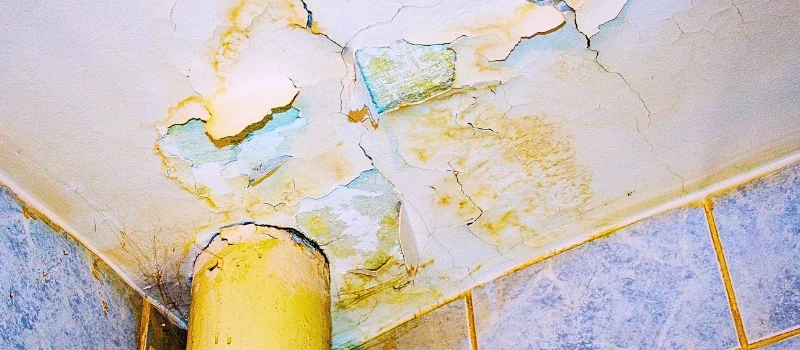
9SepA Florida property owner may be responsible for a dangerous condition when the owner or person controlling the property owes someone a duty of care, fails to reasonably address or warn about a hazard, and that failure causes an injury. Liability is not automatic simply because someone gets hurt on another person's property. Whether the owner knew or should have known about the danger, the reason the injured person was on the property, and the type of hazard involved can all affect a premises liability claim.
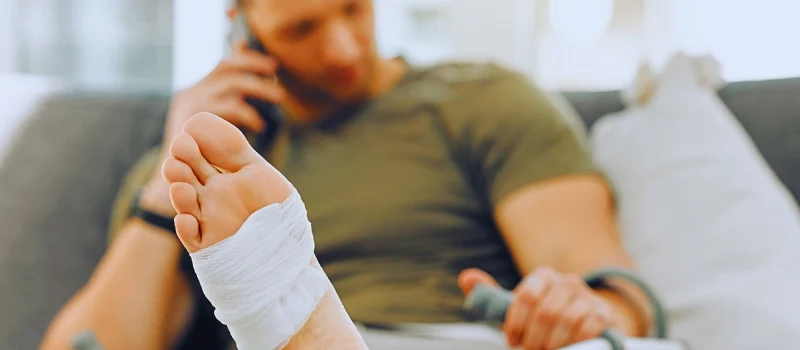
9SepIf you were injured in Florida and then returned to your home state, leaving Florida does not automatically prevent you from pursuing compensation for an accident that occurred there. You may still be able to file a personal injury claim after leaving Florida, but Florida law can continue to govern important parts of the case, including where a lawsuit may be filed and how long you have to take legal action. Handling the claim from another state can also create practical challenges involving medical records, evidence, witnesses, and insurance companies.
9SepClearwater, FL (June 2nd, 2026) – A recent “teen takeover” on Clearwater Beach has raised questions about liability for injuries. A large gathering, fight, or criminal act does not automatically create a negligent security claim. However, when a property owner knows or should know that dangerous conditions or criminal activity are likely and fails to take reasonable security measures, injured victims may have grounds to pursue a premises liability claim.
9SepIn personal injury law, there are four types of negligence: gross negligence, contributory negligence, comparative negligence, and vicarious negligence. Plaintiffs in personal injury cases rely on the legal principle of negligence to establish fault and hold the other party liable for causing the accident and subsequent damages.
9SepTampa is home to major sporting events, concerts, and festivals that draw large crowds year-round. While these events are meant to be enjoyable, injuries at Tampa sporting events are more common than many people realize. From crowded stadiums to poorly maintained venues, several factors can increase the risk of accidents.
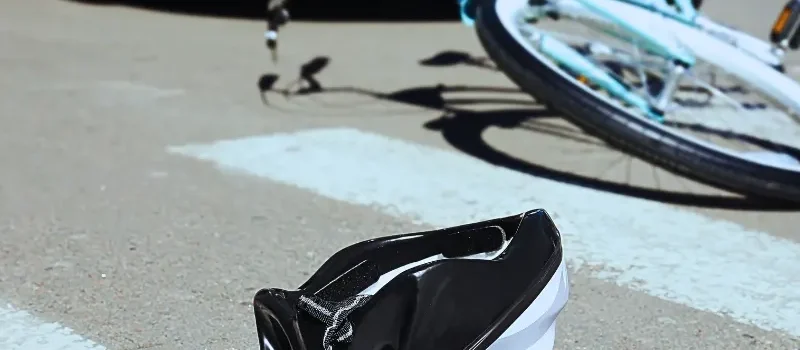
9SepClearwater’s warm climate and scenic roads make it a popular place for cycling, but these same conditions also increase the risk of serious accidents. Bicycle accidents often lead to serious injuries because cyclists have little protection compared to drivers. Even a relatively minor collision can result in harm.