Clearwater Traumatic Brain Injury Lawyer
You’re probably here because you have questions after a traumatic brain injury. Maybe you’re searching for answers about whether you need a traumatic brain injury lawyer, how much a case like yours is worth, or what the claims process looks like in Florida. Maybe you’re dealing with an uncooperative insurer, you have new symptoms like memory lapses or headaches, or you’re trying to figure out how to help manage your loved one’s medical bills, doctor appointments, and the uncertainty that comes with a serious brain injury.
Whether you are the accident victim, or your loved one has a TBI, understanding your legal options is important.
At Light & Wyatt Law Group in Clearwater, we have represented injured people and their families for over 25 years. We’ve handled brain injury cases involving car accidents, falls, assaults, and even defective products. We understand how insurance companies evaluate these claims, the medical evidence involved, and the long-term challenges traumatic brain injuries can create for families throughout Pinellas County.
“We put the “personal” back in injury law. When you hire our firm, you’ll deal directly with an experienced attorney who truly cares about the outcome of your case.”

Call 727-499-9900 today to schedule a consultation and discuss your traumatic brain injury claim.
- No Fees Until We Win
Table of Contents
Practice Areas
What Is a Traumatic Brain Injury?
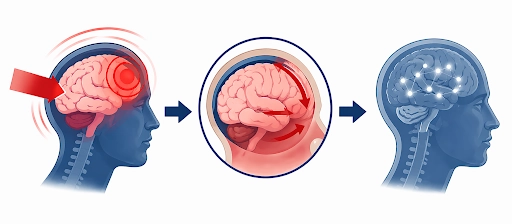
A traumatic brain injury happens when the head experiences a sudden force or movement. This type of impact can disrupt how the brain normally functions and lead to a wide range of symptoms. TBIs can range from mild concussions to severe brain injuries that result in long-term impairment.
Traumatic brain injuries are classified as closed head injuries, where the brain is affected without a break in the skull, or penetrating injuries, where an object enters the skull and damages brain tissue. The severity of the injury depends on the force of the impact and the areas of the brain affected.
Even a head injury that seems minor at first can lead to serious complications if it is not properly evaluated and treated.
Symptoms of a Traumatic Brain Injury
Symptoms may appear immediately or develop over time. Recognizing these signs is critical to protecting your health.
Common brain injury symptoms include:
- Headaches or migraines
- Memory loss
- Confusion or difficulty concentrating
- Dizziness or balance issues
- Sensitivity to light or noise
- Mood changes or irritability
Severe TBIs may also involve loss of consciousness, seizures, or long-term cognitive impairment.
Long-Term Effects of Traumatic Brain Injuries
A traumatic brain injury can have lasting consequences that affect every aspect of your life.
These may include:
- Cognitive impairment
- Difficulty with speech or communication
- Loss of motor function
- Personality changes
- Chronic pain
- Reduced ability to work
In many cases, ongoing medical treatment, therapy, and support are required.
Common Causes of Traumatic Brain Injuries
Traumatic brain injuries often result from preventable accidents. Identifying how these incidents occur can help establish liability and support your claim.

Motor Vehicle Accidents
Motor vehicle accidents often involve sudden impact or violent movement of the head. This can cause the brain to collide with the inside of the skull, even without direct contact. The force of a crash may result in concussions, contusions, or more severe brain injuries.
Slip and Fall Accidents
Slip and fall accidents can cause the head to strike the ground or another hard surface. Even a fall from standing height can generate enough force to disrupt brain function. Unsafe conditions such as wet floors or uneven surfaces often contribute to these incidents.
Workplace Accidents
Workplace accidents can involve falling objects, equipment malfunctions, or elevated falls. These incidents may result in direct trauma to the head or sudden jolts that affect brain function. In industrial settings, the risk of serious injury is often increased due to heavy machinery and hazardous conditions.
Assaults and Violence
Assaults can involve blunt force trauma or repeated blows to the head. These impacts can cause immediate and severe damage to brain tissue. In some cases, the effects may worsen over time, leading to long-term impairment.
How Traumatic Brain Injuries Are Diagnosed
Diagnosing a TBI requires careful medical evaluation. Physicians may use:
- Neurological exams
- CT scans or MRIs
- Cognitive testing
Early diagnosis helps guide treatment and creates important medical documentation for your claim.
Proving a Traumatic Brain Injury Claim
To recover compensation, you must show that another party’s negligence caused your injury and that your condition is directly connected to the accident. This requires more than showing that an incident occurred. You must also demonstrate how the injury has affected your health, your ability to work, and your daily life.
Building a strong claim typically involves:
- Evidence of how the accident occurred, such as reports, photos, or witness statements
- Medical records that document your diagnosis, treatment, and ongoing symptoms
- Expert opinions that explain the severity of the injury and its long-term impact
Traumatic brain injuries can be difficult to prove because symptoms are not always visible. You may experience memory loss, cognitive changes, or emotional effects that are harder to measure than physical injuries.
Insurance companies often challenge these claims by arguing that your symptoms are unrelated, exaggerated, or pre-existing. Clear medical documentation, consistent treatment, and detailed evidence help establish the connection between the accident and your injury and strengthen your ability to recover compensation.
Challenges in Traumatic Brain Injury Cases
TBI claims often involve complex medical and legal issues, especially because the full impact of the injury is not always immediately visible. Unlike other injuries, traumatic brain injuries can affect cognitive function, memory, and behavior in ways that are harder to measure and explain.
Insurance companies may argue:
- The injury is not as severe as claimed
- Symptoms are unrelated to the accident
- The condition existed before the incident
They may also rely on their own medical evaluations to minimize the extent of your injury or dispute the need for ongoing treatment. In some cases, delays in symptoms or gaps in medical care are used to question the validity of your claim.
Strong medical evidence and clear documentation are essential to counter these arguments. Consistent treatment, detailed records, and expert opinions help establish the connection between the accident and your injury and demonstrate the true impact on your daily life.
Traumatic brain injury symptoms do not always appear right away. Delayed symptoms can make it more difficult to connect the injury to the accident without proper medical documentation.
Compensation for Traumatic Brain Injuries
The value of a TBI claim depends on the severity of the injury and its impact on your life.
You may be able to recover compensation for:
- Medical expenses
- Rehabilitation and therapy
- Lost income
- Reduced earning capacity
- Pain and suffering
A Clearwater traumatic brain injury lawyer works to ensure your claim reflects both immediate and long-term damages.
What to Do After a Traumatic Brain Injury
If you have already received medical care, the steps you take next can affect your claim. It is important that you do the following:

Continue Medical Treatment
Follow all treatment recommendations and attend scheduled appointments. Consistent care documents the severity of your injury. It also helps establish the need for ongoing treatment and supports the value of your claim.
Preserve Medical Records
Keep copies of test results, treatment plans, and bills. These records support your claim. Organized documentation makes it easier to demonstrate the extent of your injuries and related expenses.
Track Your Symptoms
Document changes in memory, mood, or physical ability. This helps demonstrate how the injury affects your daily life. Detailed notes can also support medical opinions and strengthen your case.
Be Cautious With Insurance Companies
Insurance adjusters may request statements or offer quick settlements. Avoid making decisions without understanding the full value of your claim. Statements made early in the process may be used to limit or deny compensation.
Consult a Traumatic Brain Injury Lawyer
Working with a lawyer helps protect your rights and strengthens your case. An attorney can manage communication, gather evidence, and advocate for fair compensation. Early legal support can also help prevent mistakes that may affect your claim.
Frequently Asked Questions About Traumatic Brain Injuries
Traumatic brain injuries raise important legal and medical questions. Below are answers to common concerns.
How long do I have to file a TBI claim in Florida?
Florida law generally allows two years to file a personal injury claim. However, deadlines can vary. Acting early helps preserve evidence and strengthen your case.
Can I recover compensation for a mild concussion?
Yes. Even mild TBIs can have lasting effects. If your injury was caused by negligence, you may have a valid claim.
What if symptoms appear days after the accident?
Delayed symptoms are common in TBI cases. Medical evaluation and documentation help connect the injury to the incident.
Do I need a lawyer for a traumatic brain injury claim?
TBI cases often involve complex medical evidence and disputes with insurers. Legal representation helps ensure your claim is properly presented and protected.
Contact A Clearwater Traumatic Brain Injury Lawyer Today
A traumatic brain injury can affect your health, your work, and your future. You should not have to manage medical treatment and legal challenges on your own.
If you need a Clearwater traumatic brain injury lawyer, now is the time to act. Call Light & Wyatt Law Group at 727-499-9900 to schedule a consultation and discuss your legal options.