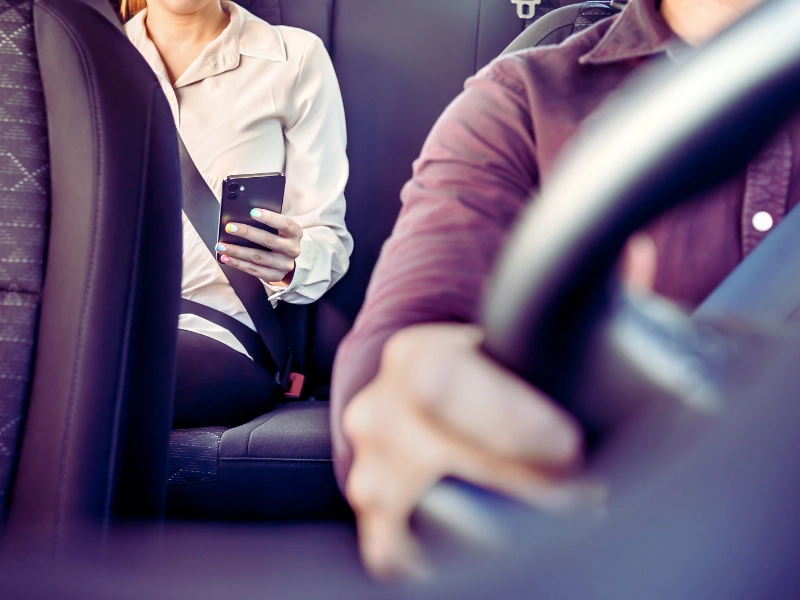
When you are injured in an Uber or Lyft accident, you are not just dealing with a crash. You are dealing with powerful insurance companies, complex coverage rules, and a system that is not designed with your recovery in mind.
At Light & Wyatt Law Group, our rideshare accident lawyers step in to protect your rights, manage the legal process, and pursue the compensation Florida law makes available.
If you were injured, contact Florida personal injury lawyer Jim Magazine at The Light & Wyatt.
Call 727-499-9900 to schedule your FREE consultation.
Table of Contents
Injured in an Uber or Lyft Accident? Up to $1 Million in Compensation May Be Available
When an Uber or Lyft crash happens in Clearwater, the stakes are high. Rideshare companies carry up to $1 million in insurance coverage for injuries that happen during active rides. Unfortunately, that money is not handed out freely. It is protected by corporate insurers, legal teams, and delay tactics designed to minimize payouts and wear victims down.
“Light & Wyatt Law Group steps in to take control of the claim, apply pressure fast, and pursue the full compensation Florida law allows.”
~ Benjamin D. Light
Why Rideshare Accident Claims Are More Complicated Than Car Accidents in Florida
At first glance, an Uber or Lyft accident may look like any other car crash. In reality, rideshare claims operate under a different legal and insurance framework, and those differences can significantly affect whether compensation is available and how much may ultimately be recovered.
In a standard car accident, liability usually runs through one or two personal auto insurance policies. Rideshare accident coverage depends on a series of factors that must be evaluated in the correct order. The most important factor is the rideshare driver’s status within the app at the exact time of the collision.
Driver App Status Determines Which Insurance Applies
Rideshare claims in Florida generally fall into three distinct coverage phases:
If the driver was not logged into the app, only the driver’s personal auto insurance may apply.
If the driver was logged in and waiting for a ride request, a limited layer of contingent coverage may be available.
If the driver was actively transporting a passenger or en route to pick one up, Uber or Lyft may provide up to $1 million in liability coverage.
Coverage Is Not Automatically Clear
Determining which coverage phase applies is not always straightforward. Rideshare companies rely on digital records, timestamps, and app data that are not automatically shared with injured parties. Without early legal involvement, critical evidence can be delayed, restricted, or lost altogether.
Corporate Insurance Handling Affects Claims
Rideshare claims are typically managed by corporate insurers or third-party administrators rather than local personal auto carriers. These entities follow strict internal procedures that often require extensive documentation, recorded statements, and detailed medical records. Errors or delays at this stage can directly affect how a claim is evaluated.
Because of these additional layers, rideshare accident cases require early investigation, careful documentation, and a clear understanding of how Florida law applies to app-based transportation. Properly identifying coverage and preserving evidence early helps ensure a claim is positioned for fair review, rather than unnecessary delay or denial.
Who a Clearwater Rideshare Accident Lawyer Can Help
Rideshare accidents affect more than just Uber or Lyft passengers. Depending on how the crash occurred, multiple parties may have valid claims under Florida law. Identifying who is eligible for compensation is an important early step in any rideshare accident case.
At Light & Wyatt Law Group, we represent individuals injured in a wide range of rideshare situations throughout Clearwater, Spring Hill, and Pinellas County.
Injured Uber or Lyft Passengers
Passengers are often entitled to the highest level of insurance coverage when injured during an active ride. Claims may involve Uber or Lyft’s commercial insurance policies, including coverage of up to $1 million, depending on the circumstances of the crash.
Drivers and Occupants of Other Vehicles
If you were injured by an Uber or Lyft driver while driving your own vehicle, rideshare insurance coverage may apply in addition to the driver’s personal auto policy. These cases often involve layered liability and require careful coordination between insurers.
Rideshare drivers injured while transporting passengers or waiting for ride requests may have access to rideshare insurance coverage as well as other potential sources of compensation, depending on driver status and fault.
Each rideshare accident presents unique liability and coverage issues. Early evaluation helps determine which insurance policies apply and how a claim should be structured under Florida law.
Common Causes of Rideshare Accidents in Clearwater
Rideshare accidents in Clearwater often occur for reasons that are specific to app-based driving. Uber and Lyft drivers must balance navigation, ride requests, passenger communication, and traffic conditions at the same time. That combination increases risk, especially in busy areas of Pinellas County.
Understanding how these crashes happen helps clarify liability and insurance coverage in a rideshare accident claim.
Driver Distraction From App Use
Rideshare drivers regularly interact with their phones to accept rides, follow GPS directions, and communicate with passengers. Even brief distractions can lead to missed traffic signals, delayed braking, or unsafe lane changes.
Driver Fatigue From Extended Shifts
Many Uber and Lyft drivers work long hours or drive for multiple platforms. Fatigue slows reaction time and impairs judgment, increasing the likelihood of rear-end collisions and intersection crashes.
Speeding and Aggressive Driving
Some rideshare drivers speed or drive aggressively in an effort to complete more trips. This behavior is especially dangerous on Clearwater’s congested roads and near tourist destinations.
Unfamiliarity With Local Roads
Out-of-area drivers may not be familiar with Clearwater traffic patterns, construction zones, or high-risk intersections. Sudden turns, abrupt stops, and last-minute lane changes are common in these situations.
Unsafe Pickups and Drop-Offs
Stopping unexpectedly, pulling over in traffic lanes, or blocking bike lanes to pick up or drop off passengers can create hazardous conditions for other drivers, cyclists, and pedestrians.
Identifying the cause of a rideshare accident is a critical part of determining fault and pursuing the appropriate insurance coverage under Florida law.
Injuries Commonly Caused by Uber and Lyft Accidents
Rideshare accidents can result in serious injuries, even when the collision appears minor.
Passengers often have little time to brace for impact, and pedestrians or cyclists have no protection at all. The type and severity of injuries play a central role in determining the value and direction of a rideshare accident claim.
Traumatic Brain Injuries and Concussions
Head injuries are common in rideshare accidents and may occur even without direct impact. Concussions and traumatic brain injuries can cause long-term cognitive, emotional, and physical symptoms that require ongoing medical care.
Neck, Back, and Spinal Injuries
Whiplash, herniated discs, and spinal cord injuries frequently result from sudden stops or rear-end collisions. These injuries can limit mobility, interfere with work, and require extended treatment or rehabilitation.
Broken Bones and Orthopedic Injuries
Fractures to the arms, legs, ribs, and hips are common in higher-impact crashes. Some fractures require surgical repair and may lead to lasting physical limitations.
Internal Injuries
Damage to internal organs or internal bleeding may not be immediately apparent after a crash. These injuries often require emergency treatment and can become life-threatening if left untreated.
Soft Tissue Injuries and Chronic Pain
Muscle, ligament, and tendon injuries can result in long-term pain and reduced function. While insurers may attempt to minimize these injuries, they can significantly affect quality of life.
Proper medical documentation is essential in rideshare accident cases, as insurers closely examine injury severity when evaluating claims.
What Compensation May Be Available After a Rideshare Accident in Clearwater
Compensation in a rideshare accident case is intended to address both the immediate and long-term consequences of an injury. The specific damages available depend on the nature of the injuries, the applicable insurance coverage, and how the accident has affected your daily life.
Medical Expenses and Future Treatment
Compensation may include emergency care, hospital stays, surgery, rehabilitation, medication, and anticipated future medical needs related to the injury.
Lost Income and Reduced Earning Capacity
If your injuries prevent you from working temporarily or permanently, a claim may include lost wages and compensation for reduced ability to earn income in the future.
Pain, Suffering, and Emotional Distress
Florida law allows recovery for physical pain, emotional distress, and loss of enjoyment of life caused by a rideshare accident.
Long-Term Disability or Permanent Impairment
When injuries result in permanent limitations or disfigurement, compensation may reflect the lasting impact on independence, mobility, and daily activities.
Rideshare accident claims often involve substantial insurance coverage, but full compensation depends on careful case preparation and proper identification of all available policies.
How Light & Wyatt Law Group Handles Clearwater Rideshare Accident Cases
Rideshare accident claims require early organization, careful documentation, and a clear strategy from the outset. At Light & Wyatt Law Group, we take a structured, methodical approach designed to protect your claim, reduce uncertainty, and position the case for full and fair evaluation under Florida law.
From the moment you hire our attorneys, our focus is on managing the legal and insurance process so you can focus on your recovery.
Early Case Evaluation and Coverage Analysis
We begin by reviewing the details of the accident, including how it occurred, who was involved, and the nature of your injuries. A critical part of this step is determining the rideshare driver’s app status at the time of the crash, which directly affects which insurance policies may apply.
Evidence Preservation and Investigation
Rideshare cases often rely on digital records, trip data, and time-sensitive evidence. We take steps to preserve available app data, accident reports, medical records, and other documentation needed to support liability and damages.
Insurance Communication and Claim Management
Once a claim is initiated, we handle all communication with insurance companies, rideshare claim administrators, and opposing parties. This helps prevent misstatements, reduces unnecessary stress, and ensures the claim progresses in an organized manner.
Damage Documentation and Case Development
We work with medical providers and, when appropriate, other professionals to document the full impact of your injuries. This includes current treatment needs, anticipated future care, and how the injuries affect your ability to work and carry out daily activities.
Resolution Through Negotiation or Litigation
Many rideshare accident cases are resolved through settlement, but preparation matters regardless of outcome. We prepare each case with the understanding that litigation may be necessary if a fair resolution cannot be reached through negotiation.
Throughout the process, clients are kept informed and involved, with clear explanations of options and next steps at every stage.
Frequently Asked Questions About Rideshare Accidents in Clearwater
Rideshare accident claims often raise questions about insurance coverage, legal rights, and next steps. Below are answers to some of the most common questions we hear from injured Uber and Lyft passengers, drivers, and pedestrians in Clearwater.
What should I do immediately after an Uber or Lyft accident in Clearwater?
Seek medical attention right away, even if injuries seem minor. Report the accident through the Uber or Lyft app and avoid giving recorded statements to insurance companies before speaking with a rideshare accident lawyer.
Who pays for my injuries after a rideshare accident in Florida?
Payment depends on the rideshare driver’s app status at the time of the crash. Coverage may come from the driver’s personal insurance, Uber or Lyft’s contingent coverage, or up to $1 million in rideshare liability insurance for active rides.
How long do I have to file a rideshare accident claim in Florida?
Florida law generally allows two years from the date of the accident to file a personal injury claim. However, rideshare data and evidence should be preserved as early as possible to protect your case.